
Kidneys play a silent but critical role in maintaining overall health—filtering waste, balancing fluids, and regulating essential minerals. Unfortunately, early kidney damage often goes unnoticed until it progresses into serious conditions like Chronic Kidney Disease. Recognizing early warning signs and taking preventive action can make a significant difference.
Early Signs of Kidney Damage – And Why Knowing this is important
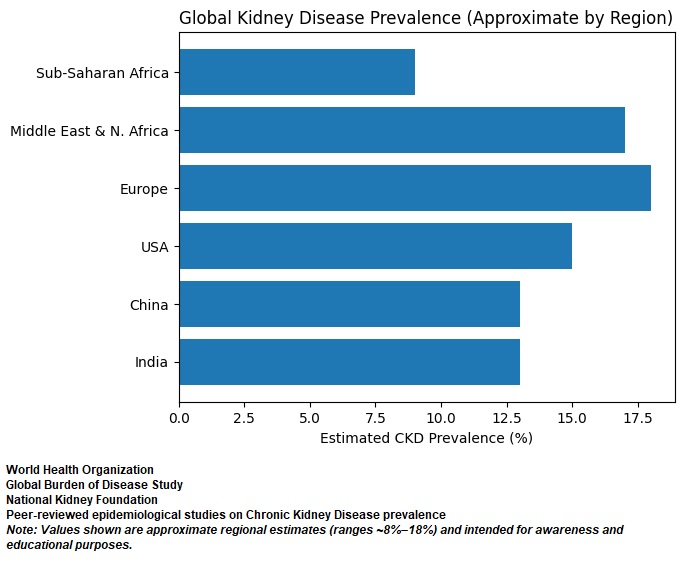
In the initial stages, symptoms may be subtle or mistaken for general fatigue. Watch out for:
1. Changes in Urination
- Increased or decreased frequency
- Foamy or bubbly urine (possible protein leakage)
- Blood in urine (pink, red, or brown color)
2. Persistent Fatigue
Kidneys produce erythropoietin, a hormone that helps make red blood cells. Reduced function can lead to anemia and tiredness.
3. Swelling (Edema)
Fluid retention in legs, ankles, feet, or face due to poor filtration.
4. Puffiness Around Eyes
Often linked to protein loss through urine.
5. Muscle Cramps
Electrolyte imbalance, especially low calcium or high phosphorus.
6. Dry, Itchy Skin
Due to mineral and bone disorders linked with kidney dysfunction.
7. High Blood Pressure
Kidney damage and hypertension often reinforce each other.
Key Tests to Detect Kidney Damage
Early detection relies on a combination of blood, urine, and imaging tests:
1. Blood Tests
- Serum Creatinine: Indicates waste accumulation
- Estimated Glomerular Filtration Rate (eGFR): Measures kidney function
(A key marker in diagnosing Chronic Kidney Disease)
2. Urine Tests
- Urinalysis: Detects protein, blood, or abnormalities
- Albumin-to-Creatinine Ratio (ACR): Early marker of kidney damage
3. Imaging
- Ultrasound or CT scan to assess kidney structure
4. Kidney Biopsy (if required)
Used in specific cases to determine the cause of damage
What to Do If Kidney Damage Is Detected
Early-stage kidney damage can often be managed effectively with lifestyle changes and medical guidance.
Dietary Guidelines for Kidney Health
1. Control Protein Intake
- Moderate consumption (not excessive)
- Prefer plant-based proteins (lentils, beans)
2. Reduce Sodium (Salt)
- Helps control blood pressure
- Avoid processed and packaged foods
3. Limit Potassium & Phosphorus (if advised)
- High potassium foods: bananas, potatoes (limit if levels are high)
- Phosphorus-rich foods: dairy, processed foods
4. Stay Hydrated (but not excessive)
- Follow doctor’s guidance depending on kidney function
5. Avoid
- Excess sugar and refined foods
- Overuse of painkillers (NSAIDs)
Regular Monitoring: Tests to Run Periodically
Once diagnosed or at risk, monitor:
- eGFR (every 3–6 months)
- Serum creatinine
- Urine ACR
- Blood pressure (weekly at home)
- Blood sugar (especially if diabetic)
Best Exercises for Kidney Health
Regular physical activity helps control blood pressure, weight, and diabetes—all key contributors to kidney health.
Recommended:
- Walking (30 minutes daily)
- Cycling
- Swimming
- Light strength training
Avoid:
- Excessive heavy lifting (if advanced kidney disease)
- Overtraining without hydration
Yoga for Kidney Health
Yoga supports circulation, reduces stress, and improves metabolic balance.
Beneficial Asanas:
- Bhujangasana (Cobra Pose)
- Pavanamuktasana (Wind-Relieving Pose)
- Ardha Matsyendrasana (Spinal Twist)
- Setu Bandhasana (Bridge Pose)
Pranayama:
- Anulom Vilom
- Bhramari
- Deep breathing exercises
These help improve oxygenation and reduce stress, which indirectly benefits kidney function.
Final Thoughts
Kidney damage doesn’t happen overnight—and neither does recovery. The key lies in early detection, consistent monitoring, and disciplined lifestyle choices. If you notice even mild symptoms, don’t ignore them. A simple test today can prevent serious complications tomorrow.

Hi, this is a comment.
To get started with moderating, editing, and deleting comments, please visit the Comments screen in the dashboard.
Commenter avatars come from Gravatar.