
Introduction: A Global Wake-Up Call
Across continents, cultures, and economies, a silent transformation is underway — one that affects the very foundation of human continuity: fertility.
According to the World Health Organization, 1 in 6 people globally experience infertility at some point in their lives (World Health Organization). This is not a niche issue anymore — it is a global public health concern.
But here’s the critical question:
Is Gen-Z really responsible for this decline? Or are they inheriting a problem created over decades?
📉 The Global Decline in Fertility: What the Data Says
Modern research paints a concerning picture:
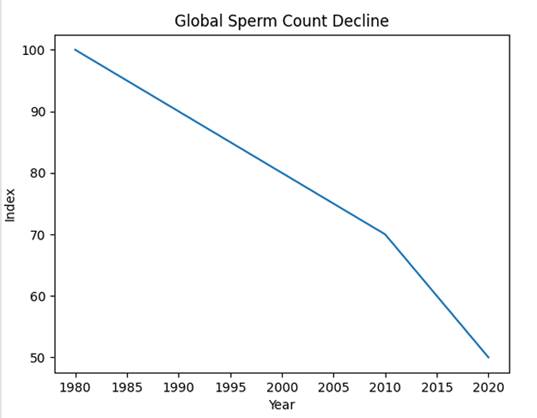
- Sperm counts have dropped by over 50% in the last 40–50 years in several regions (Win Fertility)
- Infertility affects ~17.5% of adults worldwide (Springer Nature Link)
- Conditions like PCOS-related infertility have more than doubled in some populations (PMC)
📊 Global Decline in Sperm Count (1970–2020)
- X-axis: Year
- Y-axis: Average sperm count
- Show steady downward trend
🧬 The Real Causes: Lifestyle Meets Environment
Fertility is no longer just a biological function — it is now deeply influenced by how we live.
1. 🥗 Lifestyle Factors
Research highlights key contributors:
- Obesity and poor diet
- Smoking and alcohol
- Chronic stress
- Sleep deprivation
- Sedentary lifestyle
These factors directly impact hormone balance and sperm/egg quality (PMC).
Even something as common as prolonged sitting or heat exposure can reduce reproductive health (PMC).
2. 🌫️ Environmental & Chemical Exposure
Modern life exposes us to:
- Air pollution
- Plastics (BPA, phthalates)
- Pesticides & industrial chemicals
These act as endocrine disruptors, interfering with hormones and reproductive systems (Frontiers).
3. 🧬 Genetic & Epigenetic Changes
A fascinating but alarming area:
- Lifestyle-induced changes can alter gene expression
- These changes can be passed to future generations
Obesity and environmental stress can cause epigenetic modifications affecting fertility of offspring (MDPI).
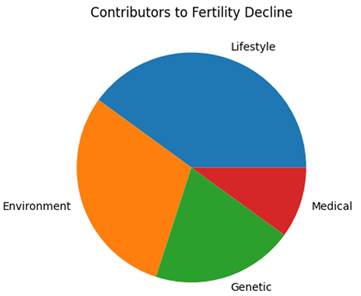
📊 Contributors to Fertility Decline
- Lifestyle factors (40%)
- Environmental toxins (30%)
- Genetic/epigenetic (20%)
- Medical conditions (10%)
🚫 Why Gen-Z Is NOT to Be Blamed
It’s easy to point fingers at younger generations — but the data tells a different story.
🔍 Reality Check:
- Fertility decline started decades before Gen-Z was born
- Environmental damage is cumulative and inherited
- Urban lifestyles were shaped by previous generations
- Food systems, pollution, and work culture are systemic
In fact, Gen-Z is:
✔ More health-aware
✔ More open to wellness practices
✔ More informed about mental health
👉 The truth:
They are not the cause — they are the turning point.
🌱 The Power of Small Daily Changes
The good news? Fertility is highly responsive to lifestyle improvements.
1. 🍎 Food Without Restrictions
You don’t need extreme diets.
Instead:
- Add whole foods, fruits, and healthy fats
- Reduce ultra-processed intake
- Stay hydrated
👉 Balance, not restriction, is key.
2. 🧘 Yoga & Self-Healing Practices
Ancient practices are now backed by science:
- Reduce stress hormones
- Improve blood circulation
- Support hormonal balance
Regular yoga and mindfulness can positively influence reproductive health by reducing oxidative stress and improving endocrine function.
Yoga for Fertility Support
1. Bhujangasana (Cobra Pose): Improves blood flow to reproductive organs
2. Setu Bandhasana (Bridge Pose): Supports hormonal balance
3. Baddha Konasana (Butterfly Pose): Enhances pelvic circulation
4. Viparita Karani (Legs Up the Wall): Reduces stress and improves circulation
5. Paschimottanasana (Seated Forward Bend): Stimulates reproductive organs
(Note: All such poses to be done under proper and trained instructors- do check credentials and take references before enrolling)
3. 🛌 Sleep & Stress Management
Chronic stress is a major fertility disruptor.
Simple steps:
- 7–8 hours of sleep
- Digital detox before bed
- Breathing exercises
4. 🚶 Movement Over Intensity
You don’t need extreme workouts.
Even:
- Walking
- Stretching
- Light strength training
can improve metabolic and reproductive health.
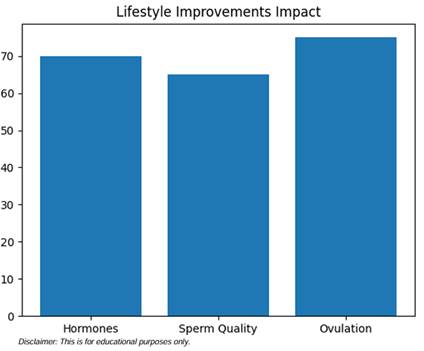
📊 Lifestyle Improvements vs Fertility Outcomes
Bar graph showing improvements in:
- Hormonal balance
- Sperm quality
- Ovulation regularity
🔮 Why the Future Depends on This Generation
Fertility is not just about having children — it’s about:
- Population sustainability
- Genetic health of future generations
- Socio-economic balance
As research suggests, reproductive health today shapes the biological future of humanity (PMC).
👉 Gen-Z holds the power to:
- Reverse harmful trends
- Redefine health priorities
- Normalize preventive wellness
🌟 The Takeaway
This is not a crisis of biology —
It is a reflection of how we live, eat, think, and exist.
And the solution is not complex.
It lies in:
- Small daily habits
- Conscious living
- Self-care and awareness
⚠️ Disclaimer
This article is for educational and awareness purposes only. It does not substitute professional medical advice, diagnosis, or treatment. Individuals facing fertility concerns should consult qualified healthcare professionals for personalized guidance.
📚 References
- World Health Organization – Infertility facts (World Health Organization)
- Global sperm decline studies (Win Fertility)
- Lifestyle and fertility research reviews (PMC)
- Environmental toxin impact studies (Frontiers)
- Obesity & metabolic health effects (ScienceDirect)
- Epigenetic and fertility links (MDPI)
